Benefits of Non-Medical Home Support: A Local Perspective
Understanding Non-Medical Home Support
Non-medical home support services are becoming increasingly popular as they offer invaluable assistance to individuals who may need help with daily activities. These services are designed to enhance the quality of life for seniors, individuals with disabilities, and those recovering from illness or surgery. By providing support in the comfort of one's home, these services allow individuals to maintain their independence while receiving the care they need.
Unlike medical home care, non-medical support doesn't include medical procedures or treatments. Instead, it focuses on daily living activities, such as meal preparation, housekeeping, and personal care. This type of support is crucial for those who wish to age in place, offering a practical and compassionate alternative to moving into a care facility.

Local Insights on Non-Medical Home Support
In our community, non-medical home support plays a vital role in supporting the aging population. Local providers customize services to meet the unique needs of residents, ensuring personalized care that respects individual preferences and lifestyles. This localized approach fosters a sense of community and trust between caregivers and clients.
Many families find peace of mind knowing their loved ones are in capable and caring hands. Local home support services often employ caregivers who are familiar with the community, allowing them to connect with clients on a personal level. This connection not only improves the quality of care but also enhances the overall experience for both clients and their families.
Key Benefits of Non-Medical Home Support
There are several **benefits** to choosing non-medical home support services, particularly from local providers. These include:
- Comfort and Familiarity: Receiving care at home allows individuals to stay in an environment they know and love.
- Personalized Care: Services can be tailored to meet the specific needs and preferences of each individual.
- Enhanced Independence: Support with daily activities enables individuals to maintain their independence and dignity.
Emotional and Social Benefits
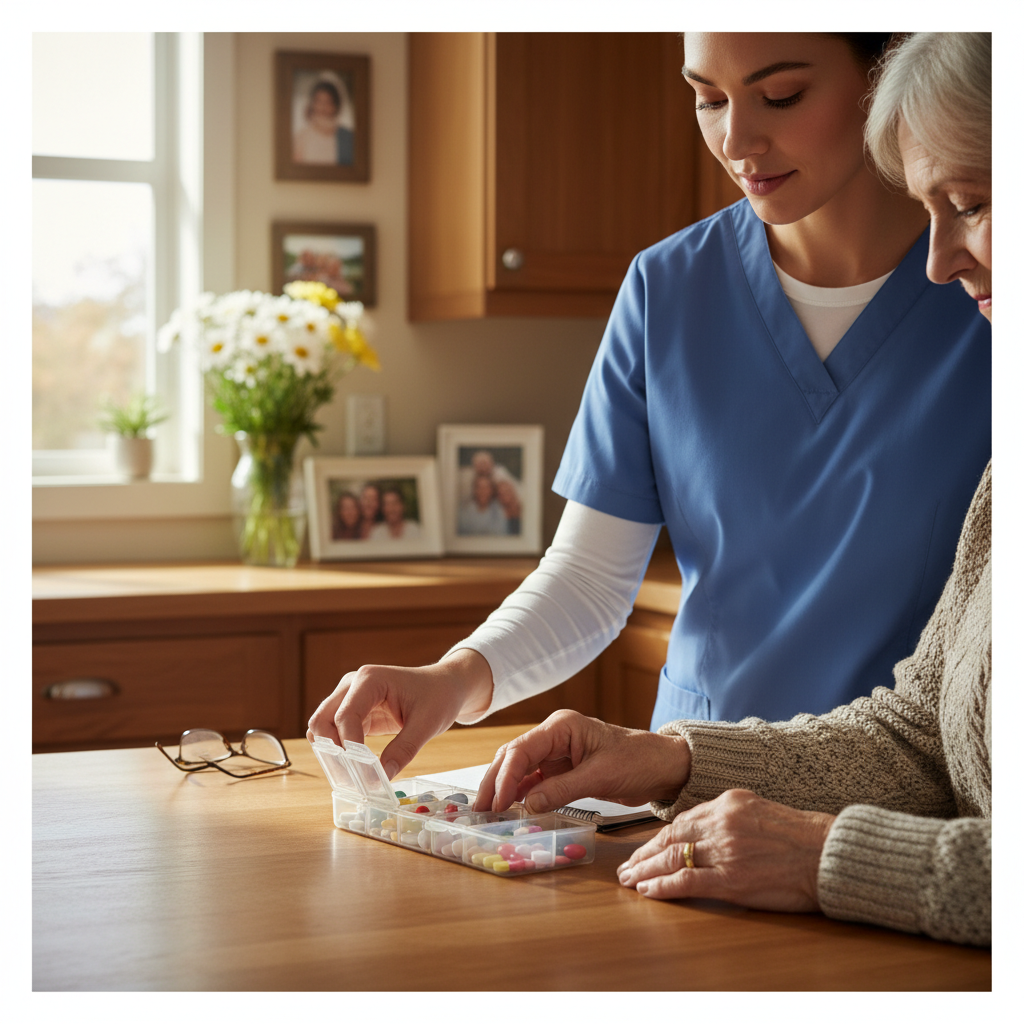
Beyond the practical advantages, non-medical home support offers significant emotional and social benefits. Clients often develop meaningful relationships with their caregivers, which can reduce feelings of loneliness and isolation. This emotional connection is particularly important for seniors, who may otherwise experience social withdrawal.
Local home support services often encourage participation in community activities, helping clients stay engaged and active. These interactions can improve mental health and contribute to a more fulfilling and enriched life.
Choosing the Right Provider
When selecting a non-medical home support provider, it's essential to consider the specific needs of the individual requiring care. Researching local providers, reading reviews, and speaking with others who have used their services can provide valuable insights. Ensuring the provider offers a wide range of services and employs compassionate, well-trained caregivers is crucial for a positive experience.
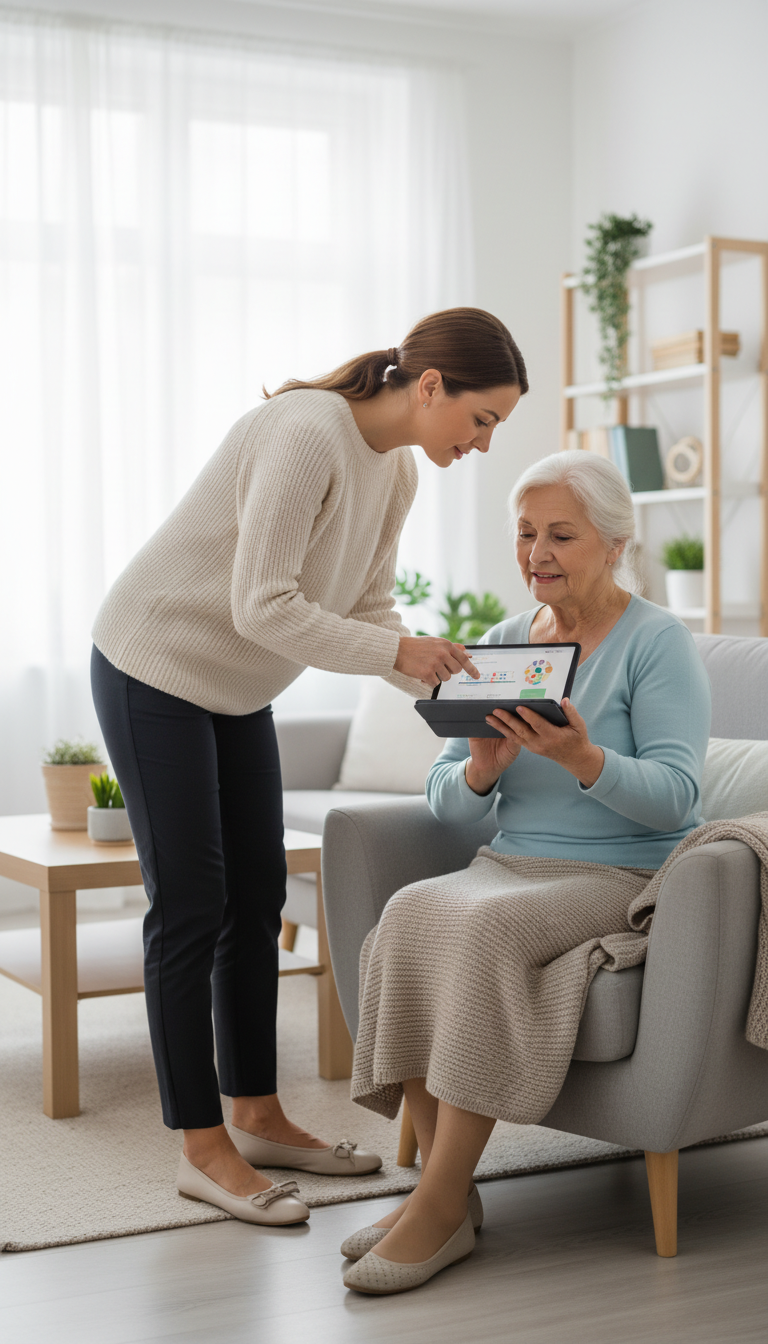
In conclusion, non-medical home support offers numerous benefits, particularly when provided by local services that understand the unique needs of the community. By prioritizing comfort, independence, and emotional well-being, these services play an essential role in enhancing the quality of life for many individuals and their families.