Common Misconceptions About Non-Medical Home Care Services
Understanding Non-Medical Home Care
Non-medical home care services are increasingly becoming a popular choice for families looking to support their loved ones in a comfortable and familiar environment. Despite their growing popularity, there are several misconceptions that surround these services. Understanding the truth behind these myths can help families make more informed decisions.
Non-medical home care focuses on assisting individuals with daily activities, ensuring they maintain their independence while receiving the necessary support. These services are particularly beneficial for seniors, individuals with disabilities, or anyone recovering from an illness.
Misconception 1: Non-Medical Care Is Only for Seniors
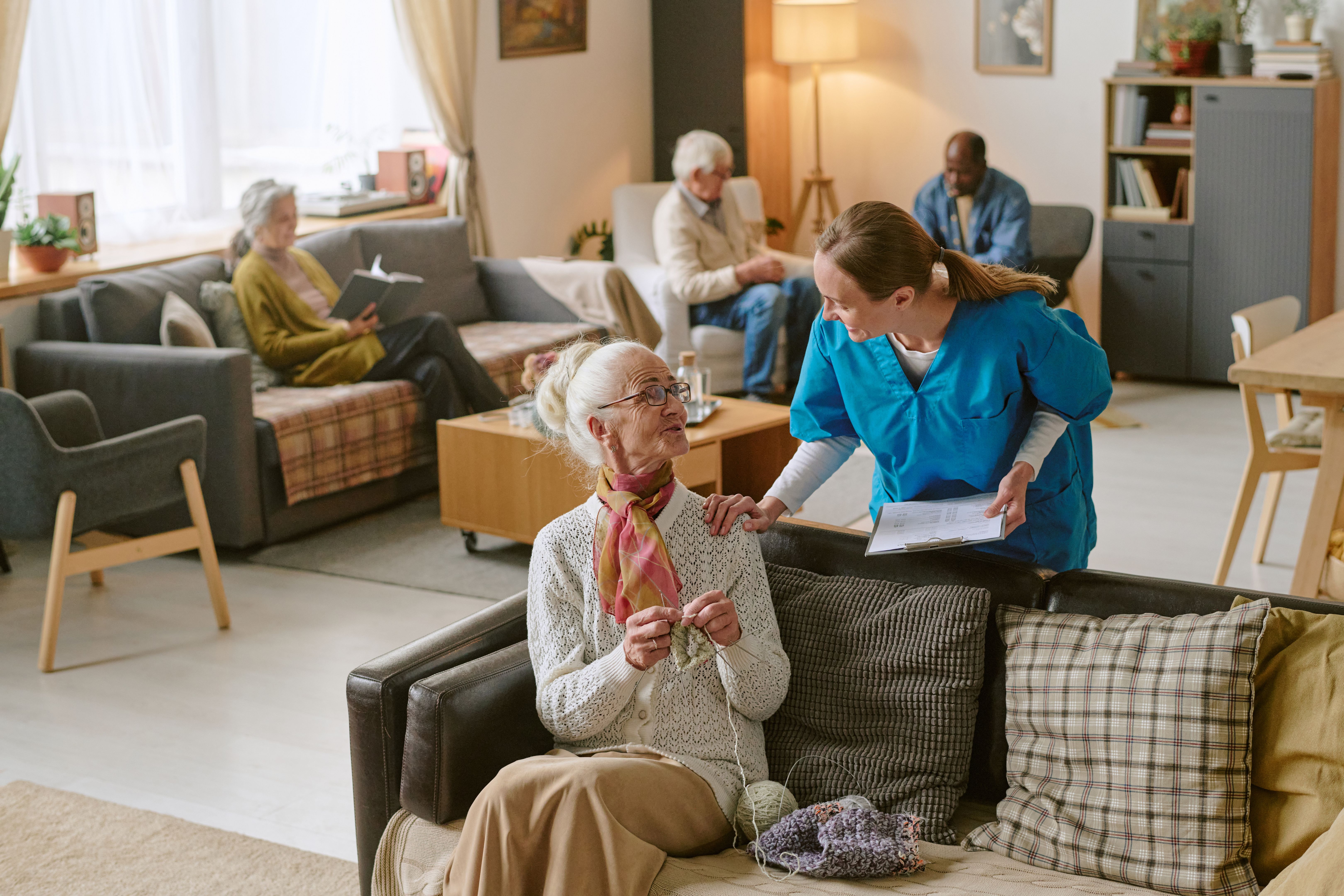
While it is true that many seniors benefit from non-medical home care, these services are not exclusive to them. People of all ages with disabilities or those recovering from surgery or illness can also greatly benefit. The care provided is tailored to individual needs, ensuring personalized support and assistance.
Non-medical home care covers a wide range of services, including personal hygiene, meal preparation, medication reminders, and companionship. This flexibility makes it an excellent option for anyone needing extra help at home.
Misconception 2: It’s Too Expensive
Many people believe that non-medical home care is prohibitively expensive. However, when compared to residential care facilities, home care can often be a more cost-effective solution. Additionally, the ability to tailor the level of care to the individual's specific needs can help manage costs effectively.

Various financial assistance programs and insurance options are available to help cover the costs of non-medical home care. Families are encouraged to explore these options to find a solution that fits their budget.
Misconception 3: Home Care Providers Are Not Qualified
Another common misconception is that non-medical home care providers lack the necessary qualifications. In reality, reputable home care agencies ensure that their caregivers are well-trained, compassionate, and competent in providing high-quality care.
Agencies often conduct background checks and provide ongoing training to ensure that caregivers are up to date with the best practices in home care. This commitment to quality ensures that clients receive the best possible support in their homes.

Misconception 4: It Leads to Loss of Independence
Some fear that relying on home care services may lead to a loss of independence. However, the opposite is often true. By receiving support with daily tasks, individuals can maintain their independence and continue living in their own homes.
Non-medical home care empowers clients to participate in activities they enjoy, without the burden of managing challenging tasks alone. This support can significantly enhance their quality of life.
Conclusion
Understanding the realities of non-medical home care services is essential for making informed decisions. By dispelling these common misconceptions, families can better appreciate the value and flexibility these services offer. Whether for seniors, individuals with disabilities, or those recovering at home, non-medical home care provides a compassionate and practical solution for maintaining independence and quality of life.