Debunking Common Myths About Non-Medical Home Care
Understanding Non-Medical Home Care
Non-medical home care is a vital service that supports individuals in their daily lives without providing medical treatment. Despite its importance, there are many misconceptions surrounding this type of care. Let's explore some common myths and set the record straight.
Myth 1: Non-Medical Home Care Is Only for the Elderly
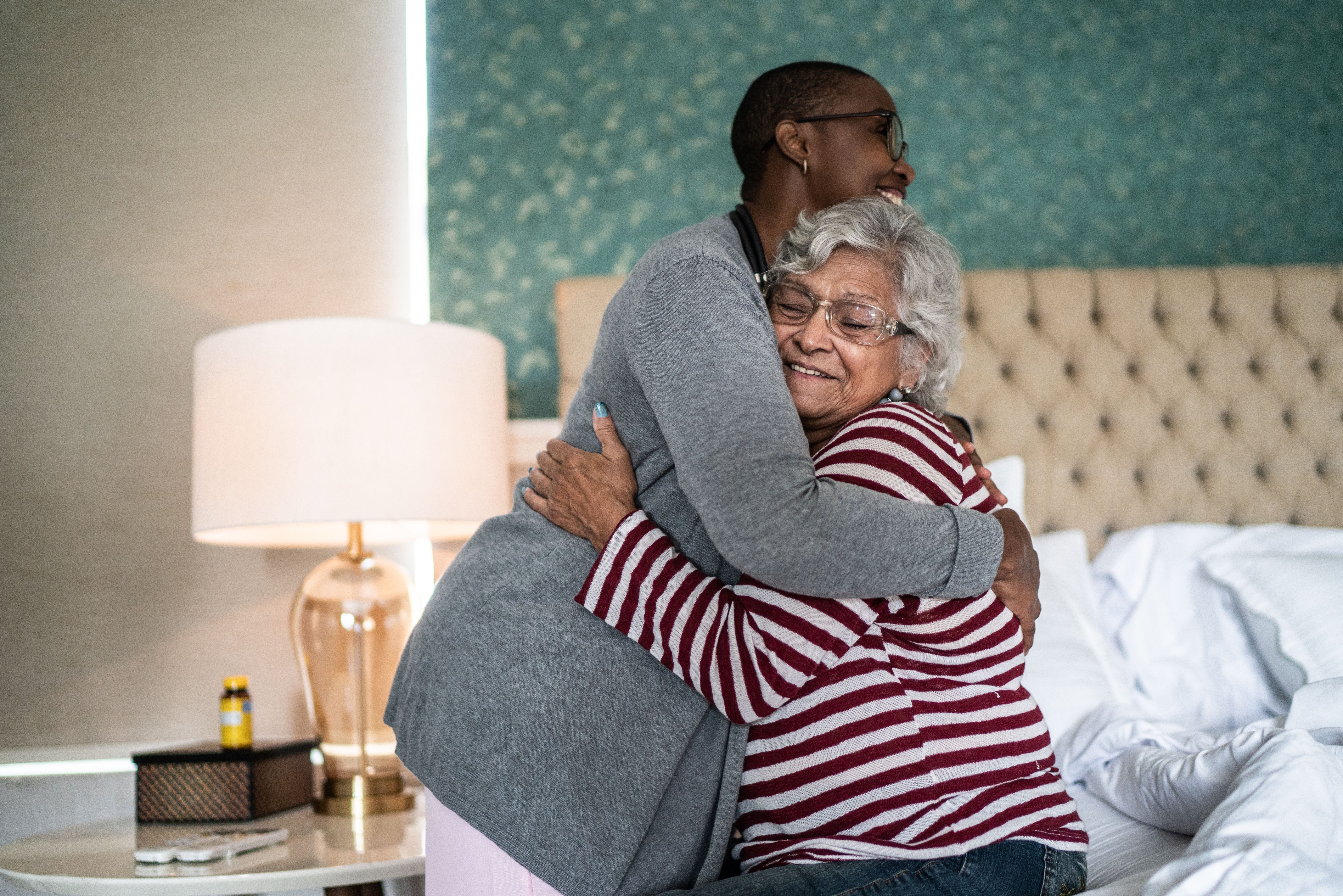
While it's true that many elderly individuals benefit from non-medical home care, this service is not exclusive to them. People of various ages with disabilities, chronic illnesses, or those recovering from surgery can also benefit from assistance with daily activities like bathing, dressing, and meal preparation.
Non-medical home care ensures that individuals of all ages can maintain their independence and quality of life. It provides peace of mind to families, knowing their loved ones are cared for in the comfort of their homes.
Myth 2: Non-Medical Home Care Is Too Expensive
Many people believe that non-medical home care is unaffordable, but this is not always the case. The cost of home care can vary greatly depending on the level of service required and the geographical location. In many instances, home care can be more cost-effective than residential care facilities.
Furthermore, several programs and insurance options may help cover costs, making home care a financially viable option for many families. It's crucial to explore all available resources and options to find a solution that fits your budget.

Myth 3: Non-Medical Home Care Replaces Family Support
Another common misconception is that hiring non-medical home care services replaces the role of family members in providing care. In reality, these services are designed to supplement family support, not replace it. Caregivers can offer relief to family members, allowing them to focus on their relationships with their loved ones rather than being overwhelmed by caregiving duties.
By sharing the caregiving responsibilities, families can maintain a healthier balance and avoid caregiver burnout. This collaborative approach ensures that everyone involved receives the support they need.
Myth 4: Non-Medical Home Care Lacks Professionalism
Some people worry that non-medical home care providers do not offer the same level of professionalism as medical providers. However, reputable agencies ensure that their caregivers are thoroughly vetted, trained, and often certified in areas like CPR and first aid.
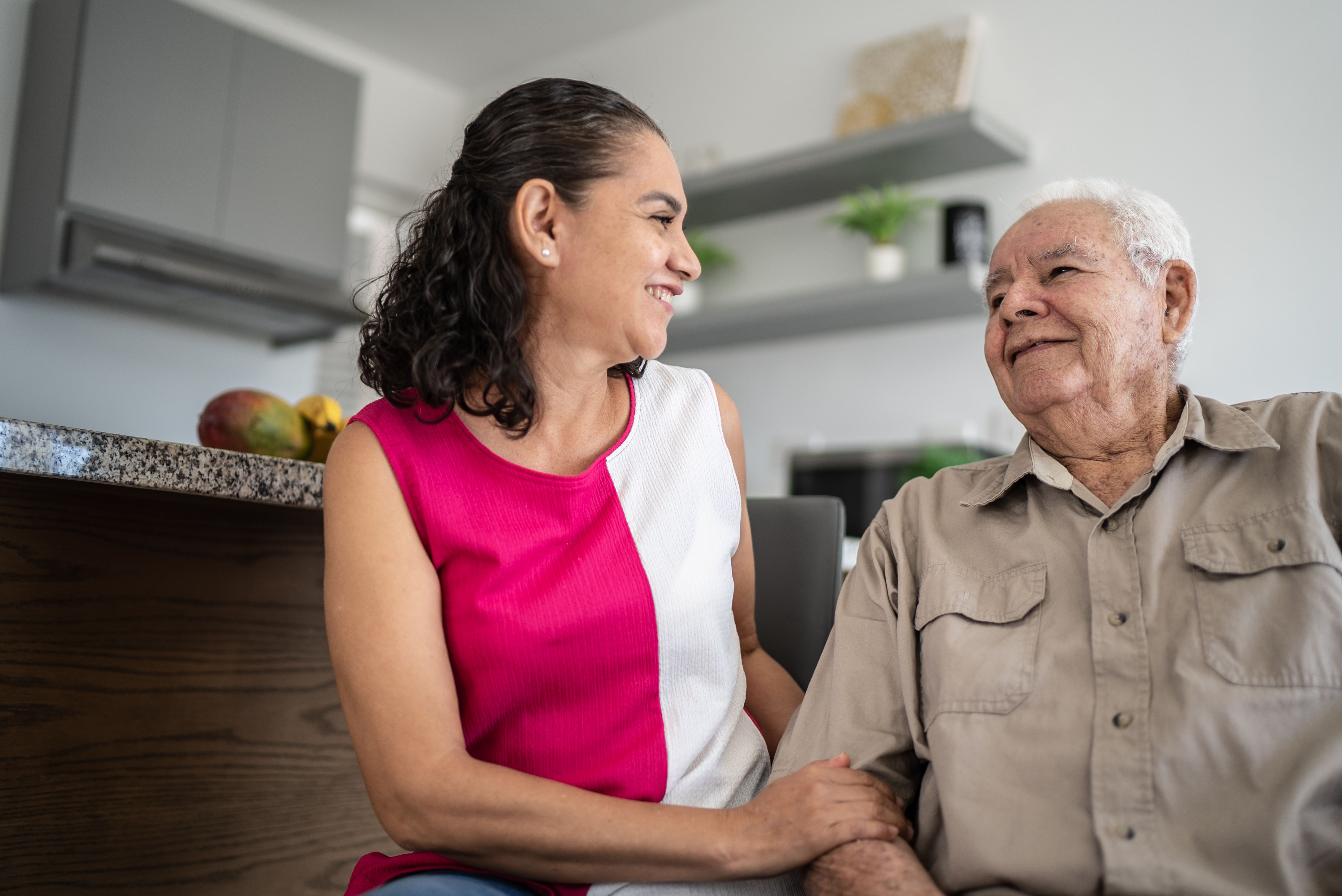
These caregivers are committed to delivering high-quality, compassionate care tailored to each individual's unique needs. They work closely with families to develop personalized care plans that promote the well-being and independence of their clients.
Conclusion
Non-medical home care plays a crucial role in enhancing the quality of life for individuals who require assistance with daily activities. By debunking these common myths, we hope to provide a clearer understanding of how valuable and accessible these services can be. Whether for a loved one or yourself, exploring non-medical home care options can lead to a more supportive and fulfilling lifestyle.