Debunking Common Myths About Non-Medical Home Care
Understanding Non-Medical Home Care
Non-medical home care is a service designed to assist individuals with daily living activities. Despite its growing popularity, there are many myths surrounding this type of care. It's essential to dispel these misconceptions to help families make informed decisions for their loved ones.
Myth 1: Non-Medical Home Care Is Only for the Elderly
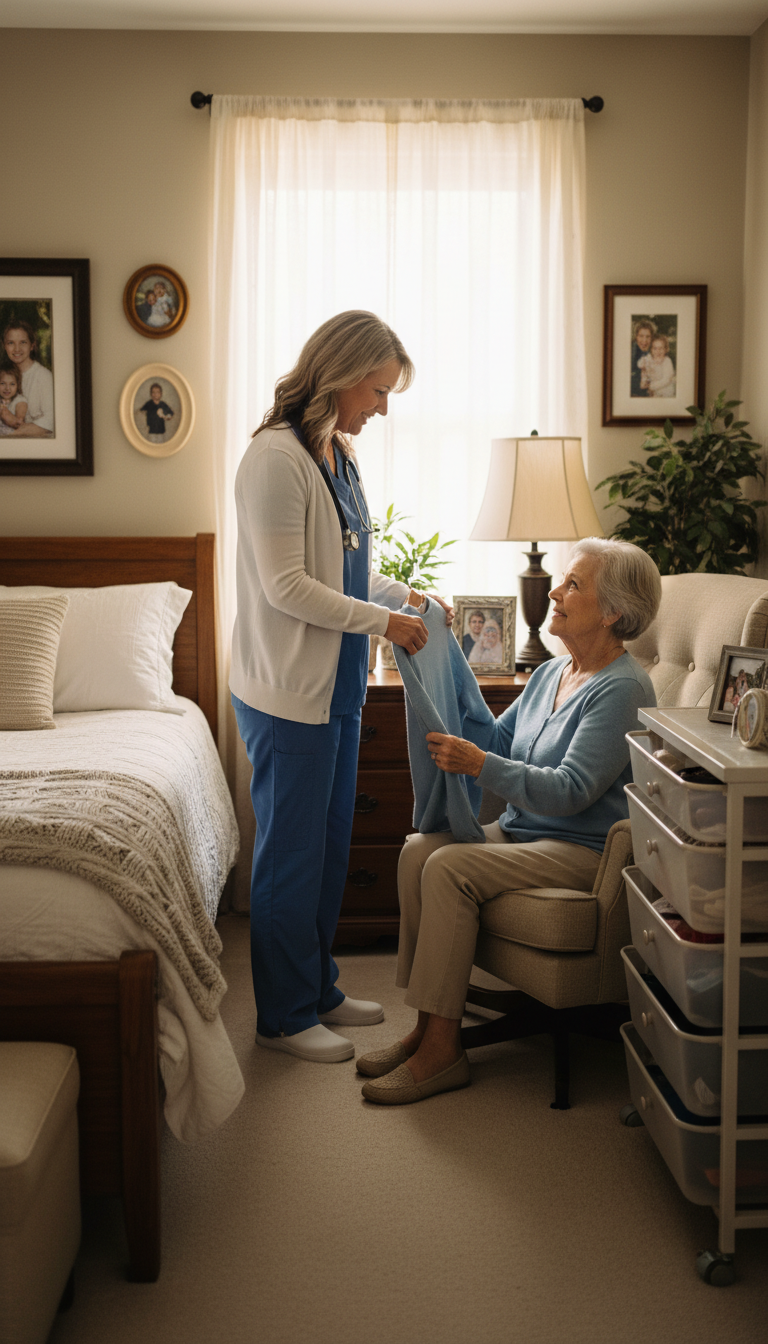
While many seniors benefit from non-medical home care, it is not exclusively for the elderly. Individuals recovering from surgery, new mothers, and those with disabilities can also benefit from these services. Non-medical home care is versatile and can be tailored to meet the needs of various groups.
Myth 2: Non-Medical Home Care Lacks Professionalism
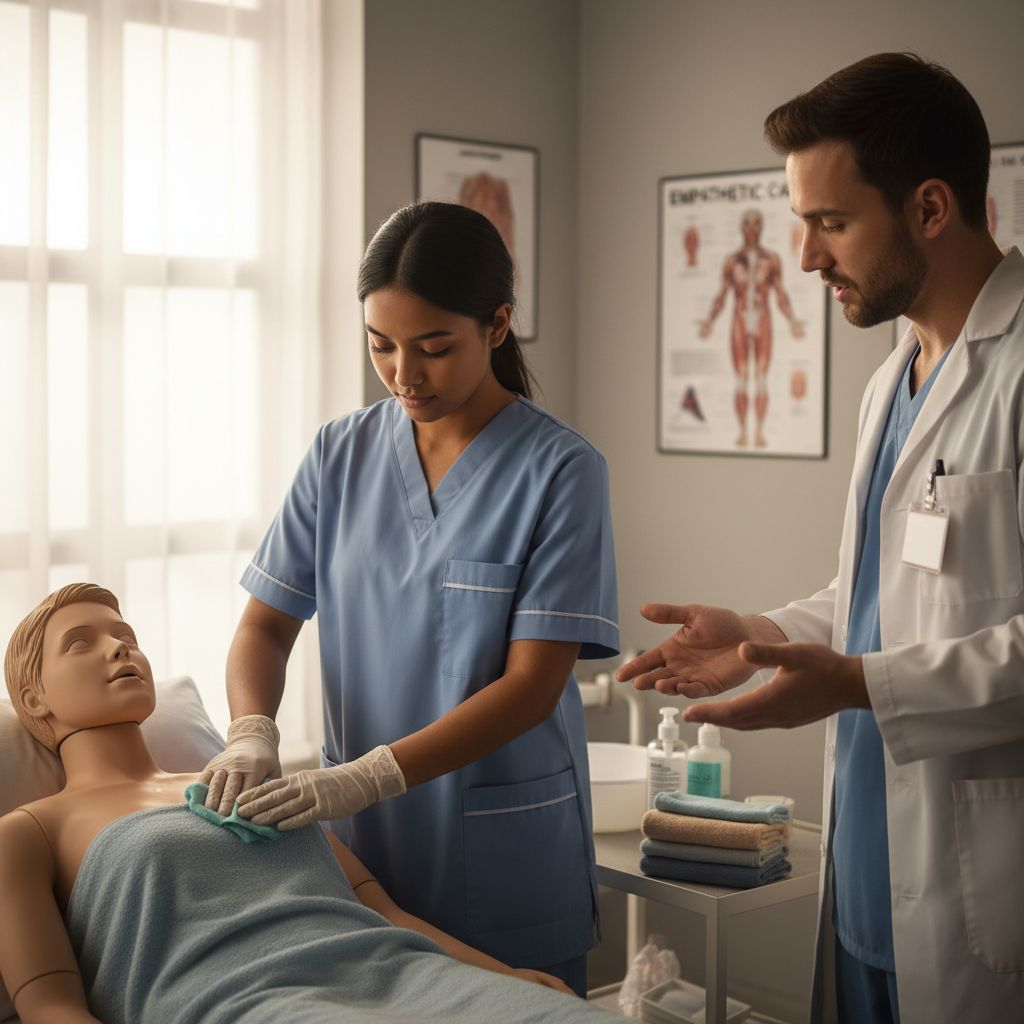
Some believe that non-medical home care providers are untrained or lack professionalism. In reality, many caregivers undergo extensive training to provide high-quality care. They are skilled in assisting with personal hygiene, meal preparation, and providing companionship, ensuring a professional and compassionate service.
The Truth About Non-Medical Home Care
Understanding the true nature of non-medical home care can enhance its effectiveness. By recognizing its benefits, more families can utilize these services to improve their quality of life.
Myth 3: Non-Medical Home Care Replaces Family Involvement
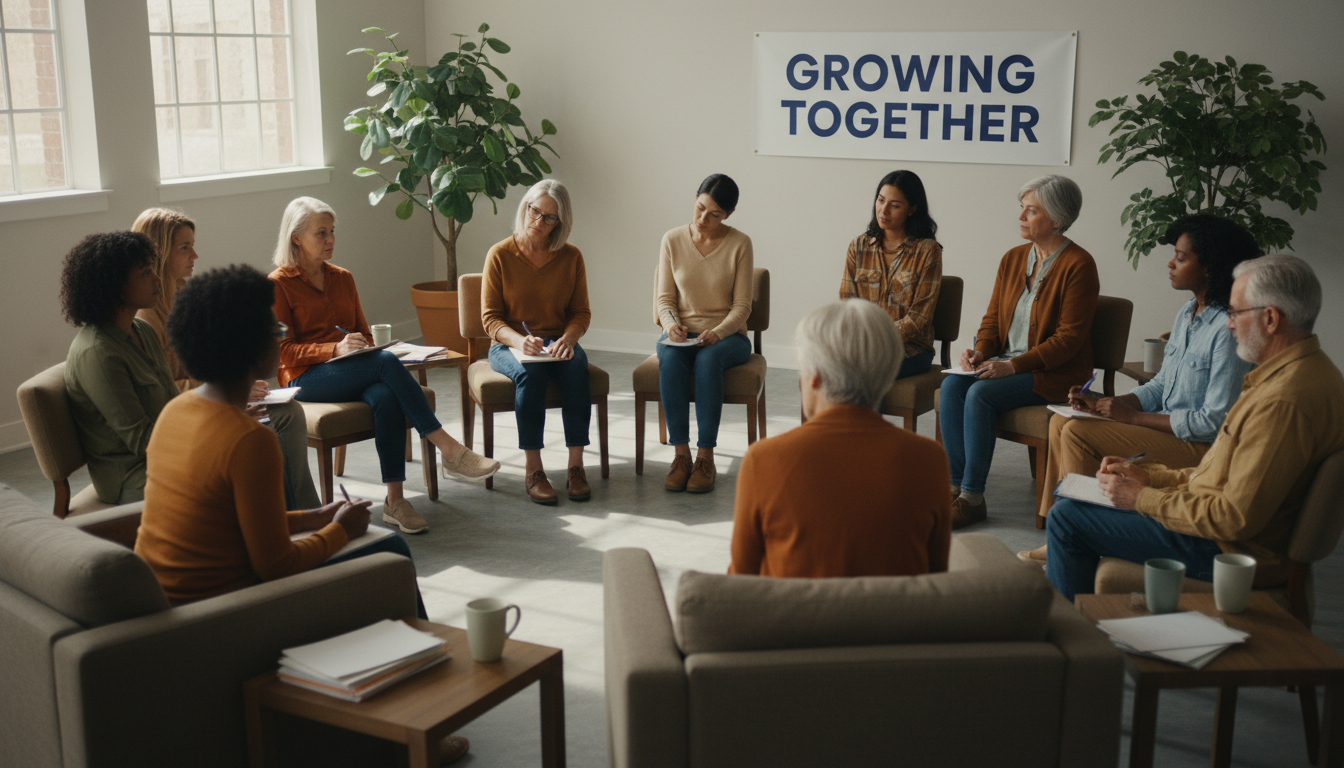
Another common myth is that hiring a non-medical caregiver means family members are uninvolved. On the contrary, these services are designed to support families, allowing them to spend quality time together without the stress of daily caregiving tasks.
Myth 4: Non-Medical Home Care Is Too Expensive
Cost concerns often deter families from considering non-medical home care. However, when compared to nursing homes or assisted living facilities, non-medical home care can be a more affordable option. Additionally, many agencies offer flexible packages to suit different budgets.
Making Informed Decisions
Understanding these myths and the realities of non-medical home care can help families make informed decisions. By choosing the right care plan, individuals can maintain their independence and enjoy a higher quality of life.
Ultimately, non-medical home care provides valuable support that enhances well-being and fosters a nurturing environment for those in need.