Debunking Myths About Non-Medical Home Care: What You Need to Know
Understanding Non-Medical Home Care
Non-medical home care is a sector that often faces misconceptions. This type of care is essential for many individuals, yet myths and misunderstandings can deter families from considering it. By gaining a clear understanding of what non-medical home care entails, you can make informed decisions for your loved ones.
Non-medical home care focuses on assisting individuals with daily living activities rather than medical services. It includes support with tasks such as bathing, dressing, meal preparation, and companionship. These services are crucial for individuals who wish to maintain independence while receiving the help they need.

Myth 1: Non-Medical Home Care is Only for the Elderly
One common misconception is that non-medical home care is exclusively for the elderly. While it is true that many seniors benefit from these services, they are not the only ones who can take advantage of them. Non-medical home care can assist anyone who struggles with daily activities due to a disability, illness, or recovery from surgery.
This type of care is versatile and can be tailored to meet the needs of individuals of all ages. Whether a young adult recovering from an accident or an individual with a chronic condition, non-medical home care provides valuable support.
Myth 2: Home Care is Too Expensive
Another prevailing myth is that non-medical home care is prohibitively expensive. In reality, it can be a cost-effective solution compared to other forms of care, such as assisted living facilities or nursing homes. The flexibility of home care allows families to choose the frequency and duration of services, making it easier to manage costs.

Many agencies also offer various payment options and work with families to develop a plan that fits their budget. It's important to research and discuss financial options with providers to find the best solution for your situation.
Myth 3: Non-Medical Home Care is Invasive
Some people worry that having a caregiver in the home will be intrusive. However, non-medical caregivers are trained to respect the privacy and personal space of clients. They are there to offer support and companionship without disrupting the household's routine.
Care plans are personalized to ensure that services align with the client's comfort level and preferences. This approach helps maintain a sense of normalcy and control for the individual receiving care.
The Benefits of Non-Medical Home Care
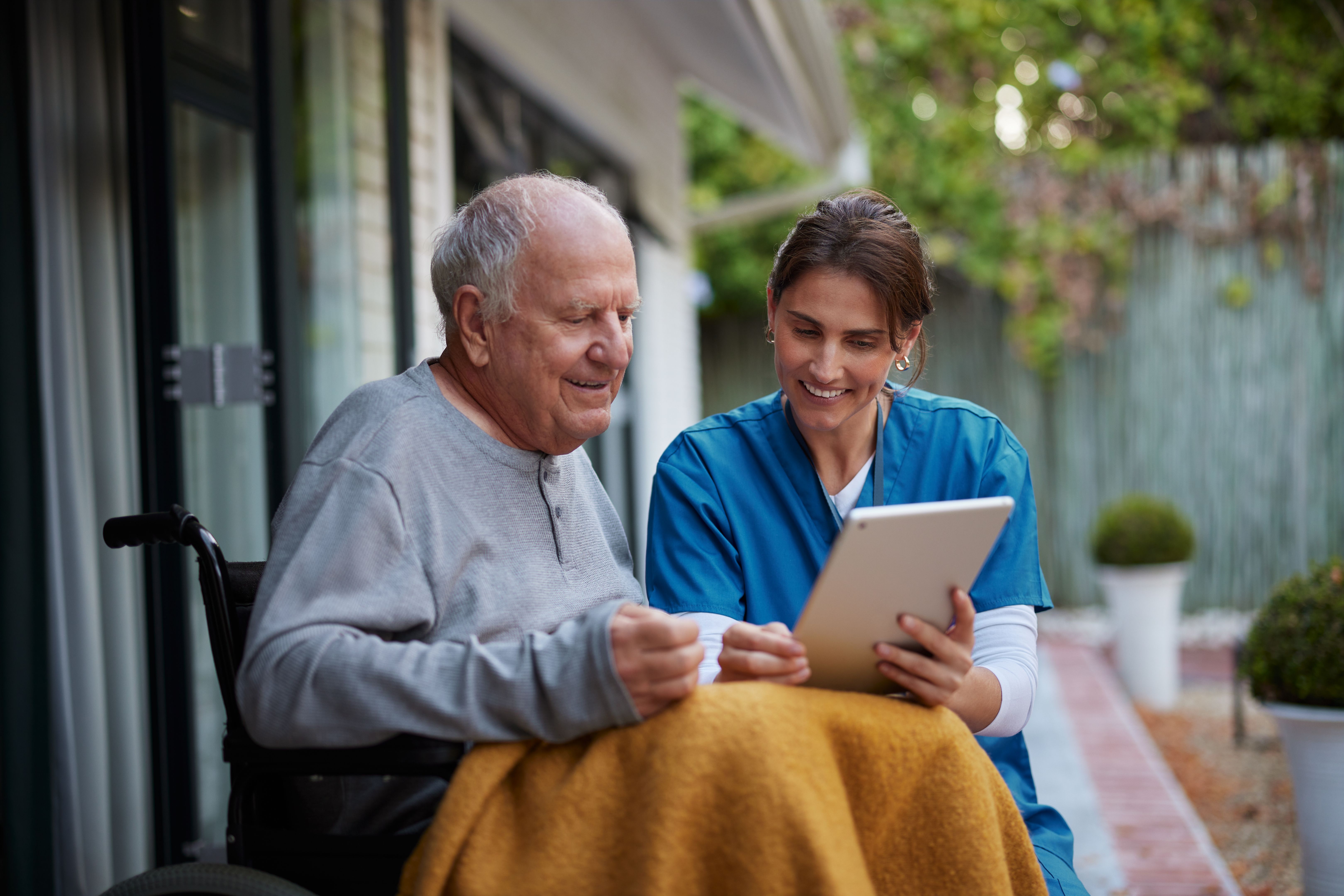
Non-medical home care offers numerous benefits, including improved quality of life and emotional well-being. Clients can stay in familiar surroundings, which promotes comfort and security. Additionally, the personalized attention helps build strong relationships between caregivers and clients, fostering a supportive environment.
Families also benefit from peace of mind, knowing their loved ones are receiving the care they need while remaining as independent as possible. Non-medical home care is not just about assistance; it's about enhancing life quality and providing reassurance.
Conclusion
Understanding the true nature of non-medical home care helps dispel the myths that often surround it. By recognizing its benefits and flexibility, families can make better choices for their loved ones. Whether for elderly individuals or those with specific needs, non-medical home care offers compassionate support tailored to each unique situation.