Expert Insights: Why Non-Medical Home Care is Essential for Elderly Well-Being
Understanding Non-Medical Home Care
As our loved ones age, ensuring their well-being becomes a top priority. While medical care is crucial, non-medical home care plays an equally important role in enhancing the quality of life for the elderly. This type of care focuses on providing assistance with daily activities, allowing seniors to maintain their independence and dignity.
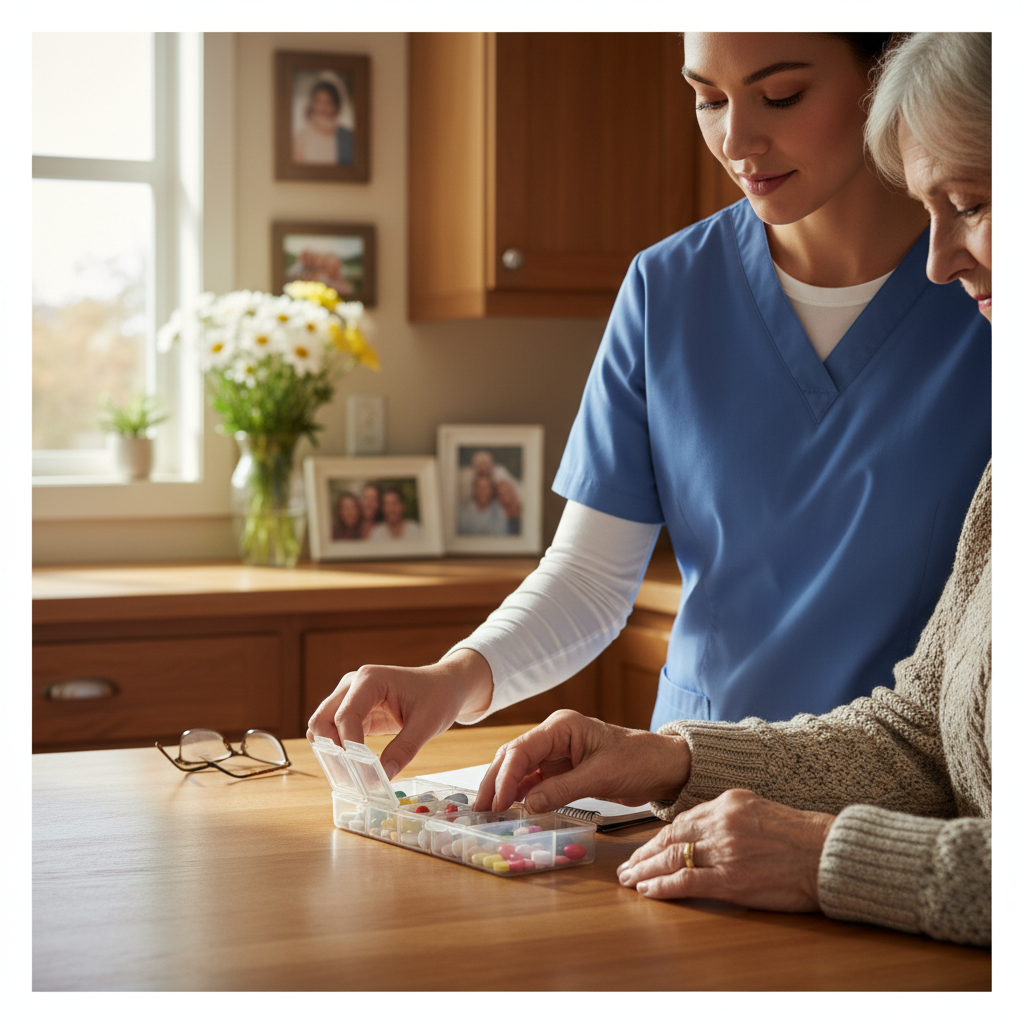
Non-medical home care includes support with tasks such as cooking, cleaning, and transportation. These services enable seniors to continue living in their own homes, surrounded by familiar comforts. The emotional and psychological benefits of remaining in a known environment cannot be overstated, contributing significantly to an individual's overall well-being.
The Importance of Personalized Care
One of the key advantages of non-medical home care is the personalized attention it offers. Caregivers tailor their services to meet the specific needs and preferences of each individual. This personalized approach ensures that seniors receive the exact support they need, fostering a sense of autonomy and respect.
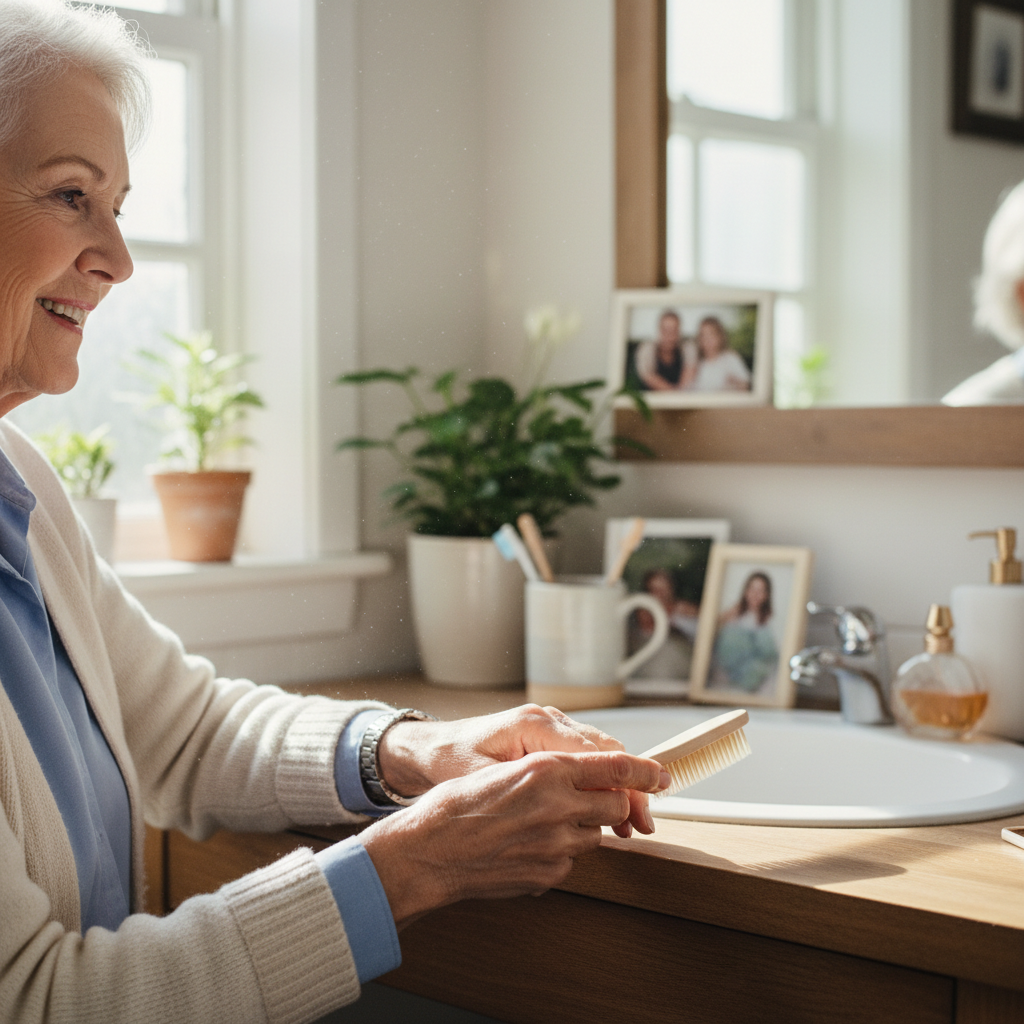
Moreover, the consistent presence of a caregiver helps build a trusting relationship, offering not only physical assistance but also much-needed companionship. This connection can combat feelings of loneliness and isolation, which are common among the elderly.
Enhancing Safety and Security
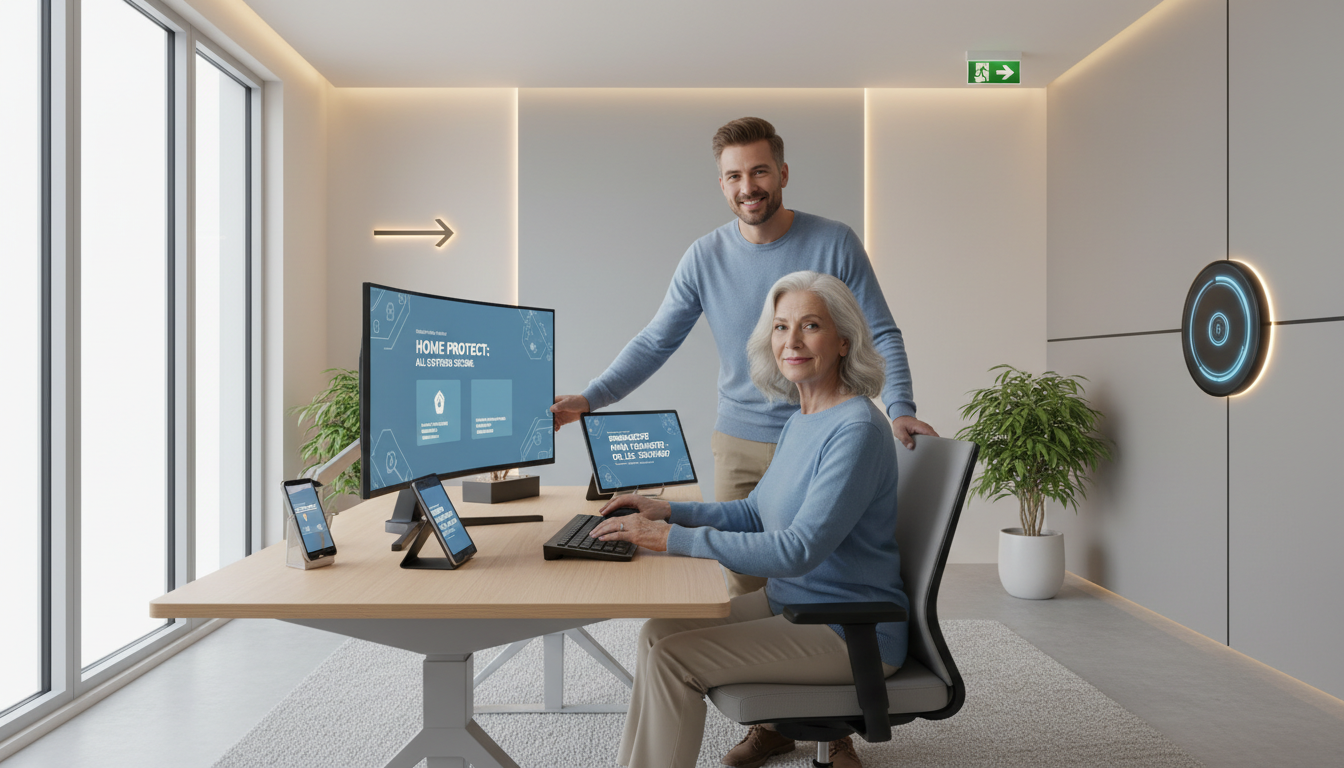
Non-medical home care also plays a crucial role in ensuring the safety and security of seniors. Caregivers are trained to identify potential hazards in the home and implement measures to prevent accidents. They also provide supervision to ensure that seniors are safe when performing daily activities.
This proactive approach helps reduce the risk of falls and other accidents, providing peace of mind for both seniors and their families. Knowing that a professional is always on hand to provide immediate assistance if needed is invaluable.
Supporting Family Members
Family members often bear the responsibility of caring for their elderly loved ones. However, balancing caregiving with other responsibilities can be overwhelming. Non-medical home care offers much-needed respite for family caregivers, allowing them to recharge and focus on their own well-being.
By sharing the caregiving load, families can ensure that their loved ones receive consistent, quality care without experiencing burnout. This support system is essential for maintaining healthy family dynamics and ensuring the best possible care for seniors.
Conclusion: A Vital Component of Elderly Care
In conclusion, non-medical home care is an essential component of elderly well-being. By providing personalized support, enhancing safety, and offering companionship, it enables seniors to live fulfilling lives in the comfort of their own homes. Moreover, it supports family caregivers, ensuring that the entire family benefits from a balanced and healthy approach to elder care.
As the demand for senior care continues to grow, understanding and appreciating the role of non-medical home care becomes increasingly important. It is a vital resource that enhances the quality of life for our aging population.