Myth-Busting: Common Misconceptions About Non-Medical Home Care
Understanding Non-Medical Home Care
Non-medical home care is a service that offers assistance with daily living activities such as bathing, dressing, and meal preparation. Despite its growing popularity, there are several misconceptions about what it actually entails. It’s important to differentiate it from medical home care, which involves clinical services provided by healthcare professionals.
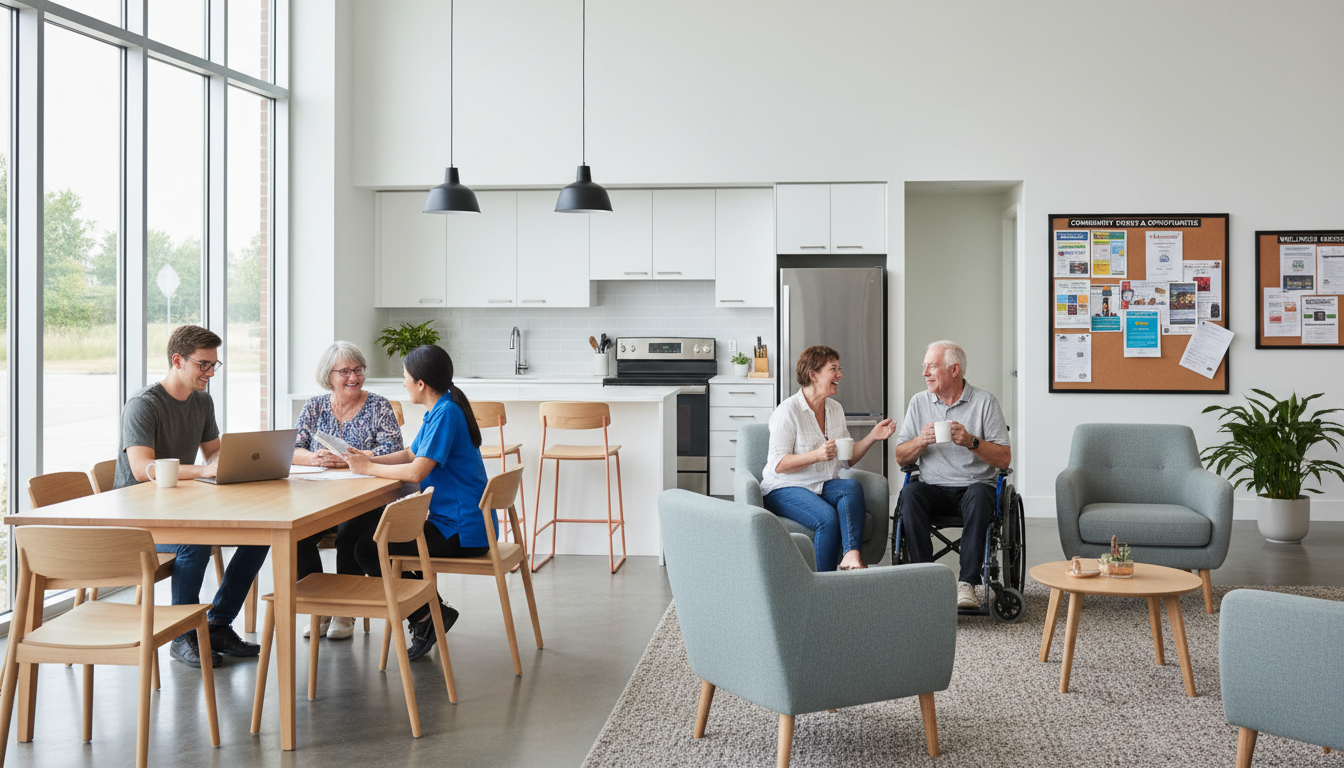
One common myth is that non-medical home care is only for the elderly. While seniors make up a significant portion of those who benefit, these services are also available to people recovering from surgery, new mothers, and individuals with disabilities. The flexibility of non-medical home care makes it suitable for a wide range of needs.
Myth: Non-Medical Home Care Is Too Expensive
Another common misconception is that non-medical home care is prohibitively expensive. In reality, it can be a cost-effective alternative to assisted living facilities. Many families find that the personalized care provided in the comfort of their own home is well worth the investment.
Additionally, some insurance plans and government programs offer financial assistance for non-medical home care, making it more accessible than people might think. It's always advisable to explore various options to find a solution that fits one's budget.
Myth: Non-Medical Home Care Means Losing Independence
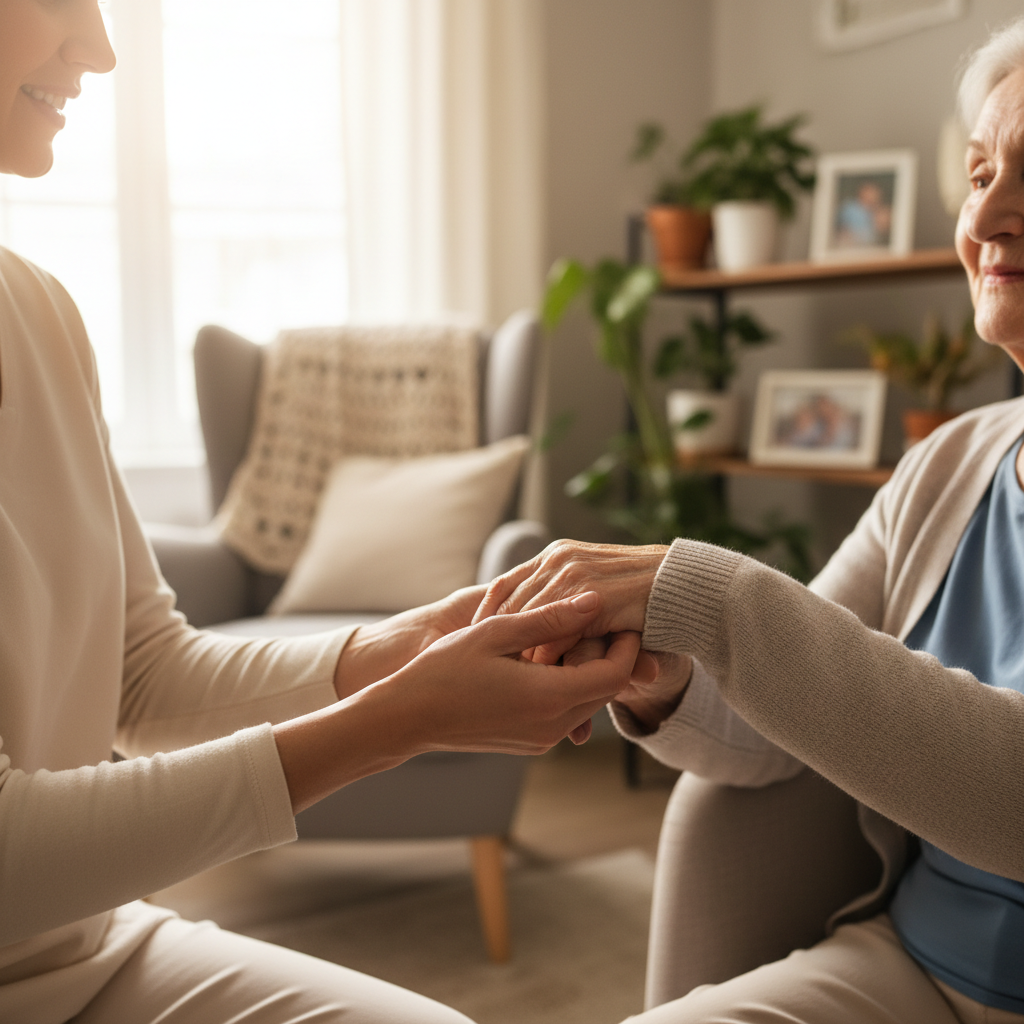
Some people fear that accepting non-medical home care will lead to a loss of independence. However, the opposite is often true. By receiving assistance with daily tasks, individuals can maintain their independence and continue living in their own homes.
Caregivers work collaboratively with clients to support their routines and preferences. This partnership allows individuals to retain control over their lives while getting the help they need.
Myth: Caregivers Lack Professionalism
There's a misconception that non-medical home caregivers are not professionally trained. In fact, many caregivers undergo rigorous training to ensure they can provide high-quality support. They are skilled in areas like first aid, nutrition, and personal care, which are essential for delivering effective assistance.
Agencies often conduct background checks and provide ongoing training to ensure that caregivers are prepared to handle various situations with compassion and competence.
The Benefits of Non-Medical Home Care
Non-medical home care offers numerous benefits, such as personalized attention, comfort, and the ability to stay connected with family and community. By debunking these myths, we can better appreciate the value and versatility of these services.
Families considering non-medical home care should take the time to understand what it involves and how it can enhance their quality of life. With the right information, they can make informed decisions that best suit their needs.