Myths and Facts About Non-Medical Home Care Services
Understanding Non-Medical Home Care Services
Non-medical home care services are becoming increasingly popular as more people seek to age in place. However, there are several myths surrounding these services that can create confusion. It's important to distinguish between myths and facts to make informed decisions about care options.
Myth: Non-Medical Home Care Is Only for the Elderly
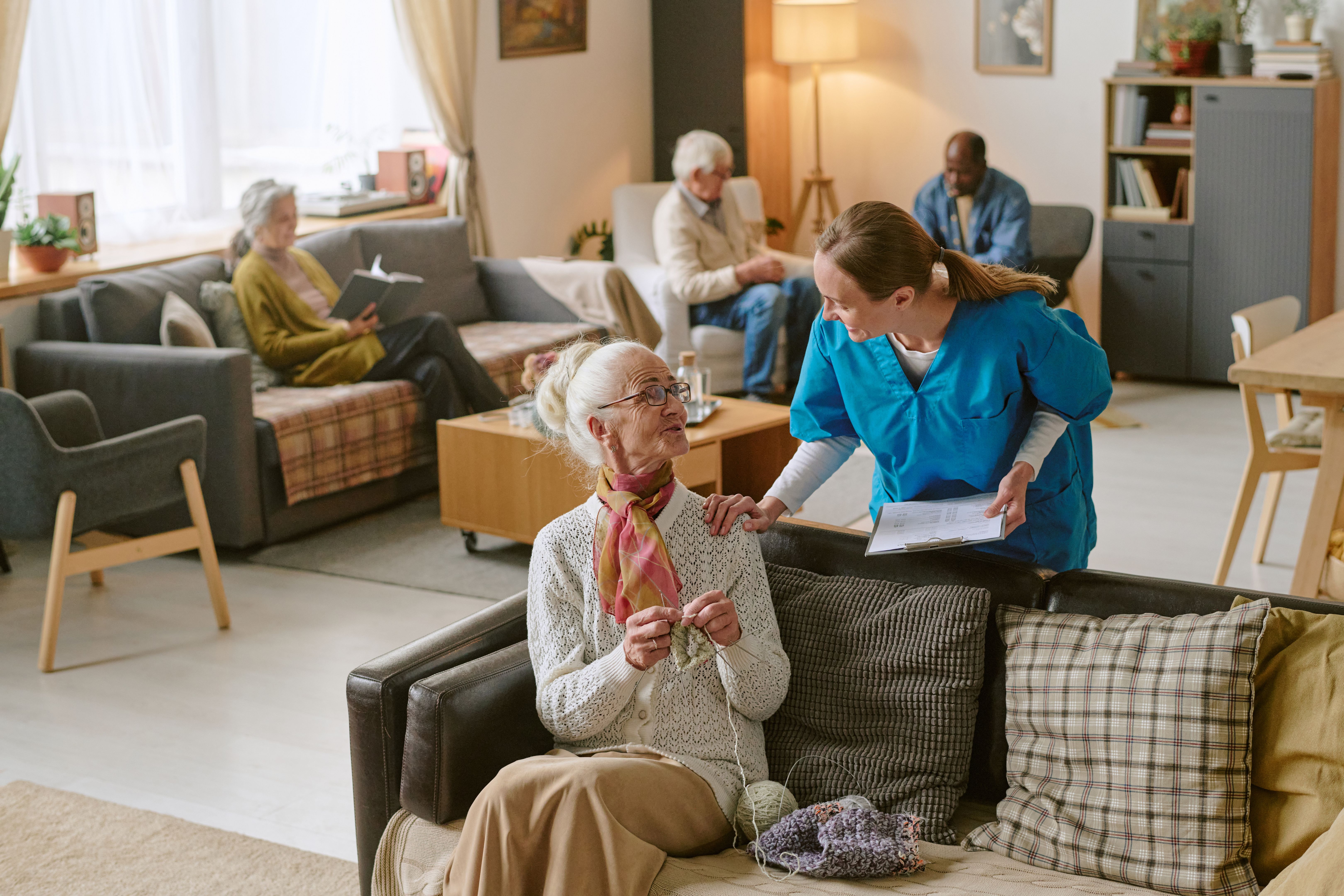
While it's true that many seniors benefit from non-medical home care, these services are not exclusively for the elderly. Individuals recovering from surgery, people with disabilities, or anyone needing assistance with daily activities can benefit from these services. Understanding this can help broaden the perception and accessibility of care options for various demographics.
Fact: Non-Medical Home Care Supports Independence
One of the main goals of non-medical home care is to support independence. Caregivers assist with day-to-day tasks like meal preparation, housekeeping, and transportation, allowing individuals to maintain their routines and lifestyle. This support can significantly enhance the quality of life for those who wish to stay at home.

Financial Considerations
Myth: Non-Medical Home Care Is Too Expensive
Cost is a common concern, but non-medical home care can be more affordable than many assume. Compared to the expenses associated with assisted living facilities or nursing homes, in-home care often presents a more cost-effective option. Additionally, various payment options, including insurance and financial assistance programs, can help manage costs.
Fact: Flexible Care Plans Are Available
Many home care agencies offer flexible care plans tailored to individual needs and budgets. Whether someone requires a few hours of assistance each week or more comprehensive daily support, there are options available to fit different circumstances. This flexibility ensures that care is both accessible and affordable.

The Role of Caregivers
Myth: Caregivers Are Not Trained Professionals
Another misconception is that caregivers lack professional training. In reality, reputable home care agencies employ trained and experienced caregivers. They undergo background checks and receive ongoing education to ensure they provide the highest level of care.
Fact: Emotional Support Is Part of the Care
Beyond physical assistance, caregivers also offer emotional support and companionship, which are crucial for improving mental health and overall well-being. Building a rapport with a caregiver can lead to meaningful relationships and a better quality of life.

Final Thoughts
Non-medical home care services provide valuable support that goes beyond physical assistance. By debunking common myths and understanding the facts, individuals and families can make informed decisions about care options. Embracing the benefits of non-medical home care can lead to a more fulfilling and independent lifestyle for those in need.